The fastest way to make a listing feel dated is to get the lighting wrong. Buyers may not know fixture specs, beam spread, or color temperature, but they react to all of it within seconds. If you’re asking what lighting helps homes sell faster, the short answer is this: lighting that makes rooms feel larger, cleaner, brighter, and easier to live in – without looking custom-expensive or weirdly trendy.
For builders, designers, and investors, that means treating lighting as a sales tool, not a finishing touch. Good lighting improves photography, supports staging, reduces visual friction during showings, and helps buyers assign higher value to the finishes already in the home. It is one of the few upgrades that affects every room and every showing, often without requiring a major budget line.
What lighting helps homes sell faster in real listings
The fixtures that move homes fastest are usually not the most dramatic ones. They are the ones that make the house read well online and in person. That typically means layered, neutral, consistent lighting with updated decorative fixtures in key sightlines.
In practical terms, buyers respond best to homes with three things working together: strong ambient light, attractive focal fixtures, and warm-but-clean bulb color. When one of those pieces is missing, the house starts fighting itself. A beautiful kitchen island loses impact under dim recessed cans. A fresh living room feels flat with a single builder-grade dome light. A renovated bath can still look cold if the vanity lighting is harsh.
The best-selling lighting plans usually prioritize the entry, kitchen, dining area, living room, primary bath, and front exterior. Those are the decision zones. They shape first impression, listing photos, and the emotional sense that the home is move-in ready.
Why lighting changes buyer behavior
Lighting does more than improve visibility. It changes perceived cleanliness, ceiling height, room size, and finish quality. A home with balanced lighting feels maintained. A home with patchy or outdated lighting feels like a project.
That matters for ROI. Buyers often overestimate the cost and hassle of cosmetic fixes, especially when they walk into dark rooms or see mismatched fixtures. Even if the rehab is solid, bad lighting can create doubt. Doubt slows offers.
This is especially true in flips and light-value-add renovations where the goal is broad market appeal. You are not designing for one homeowner’s taste. You are reducing objections. Lighting helps when it removes shadows, highlights architectural positives, and creates consistency from room to room.
The lighting choices that usually pay off
Recessed lighting remains one of the safest upgrades in open-concept living spaces, kitchens, and basements, but only when spacing is right. Too few cans leave dark pockets. Too many create a flat, overlit ceiling that feels commercial. In most resale-focused projects, the goal is even coverage, not maximum brightness.
Decorative fixtures do the heavy lifting in visual marketing. A clean pendant over the island, a chandelier centered over dining, and updated sconces or vanity lights in baths create instant evidence that the home has been renovated thoughtfully. Matte black, warm brass, and mixed-metal neutrals continue to perform because they photograph well and pair easily with common cabinet and hardware selections.
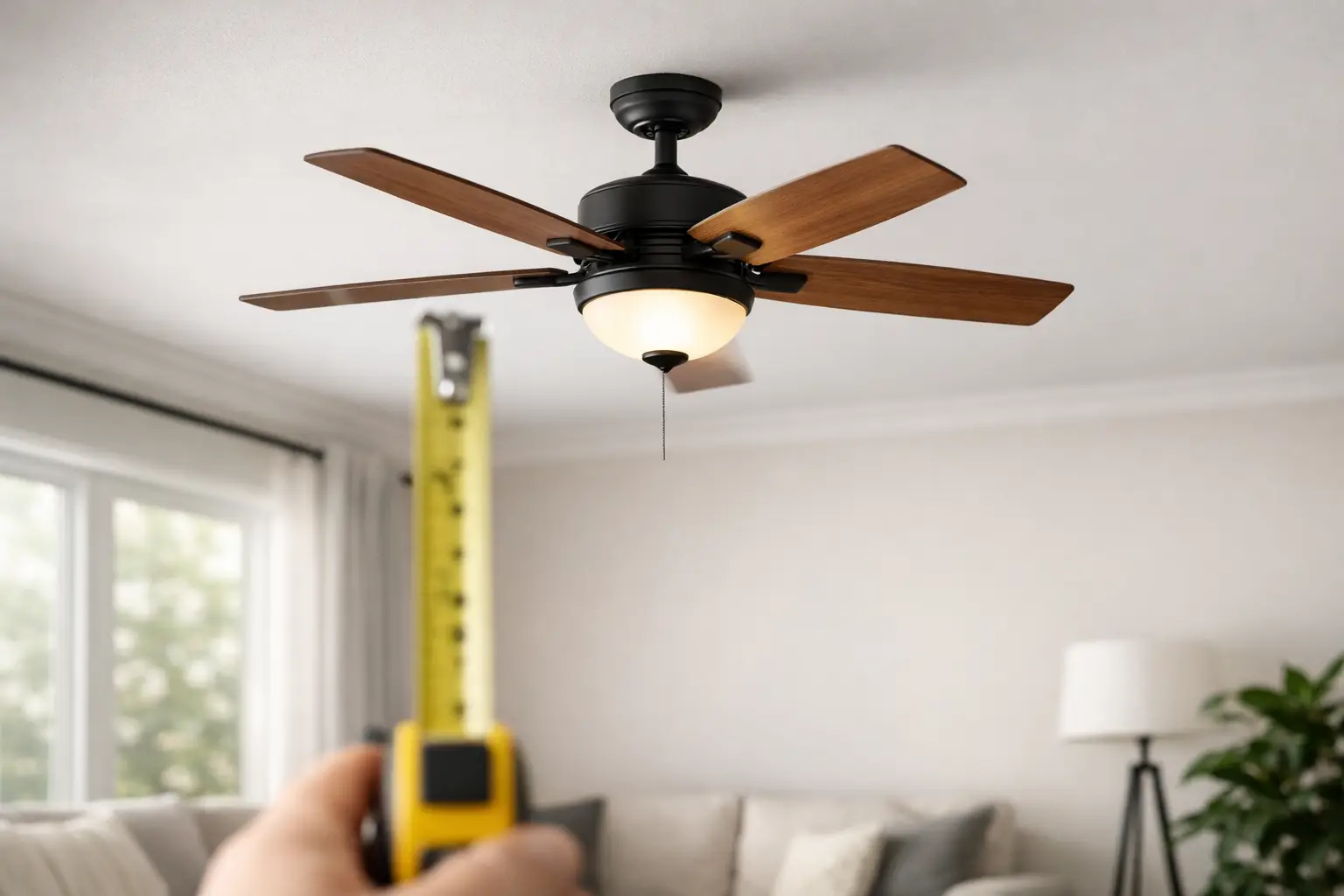
Flush mounts still have a role, especially in bedrooms, halls, and lower-ceiling areas. The key is to avoid the opaque glass builder dome that signals cheap turnover. A simple, low-profile fixture with a linen shade, metal band, or soft geometric form gives the space a finished look without dragging the budget.
Under-cabinet lighting is often overlooked in resale projects, but it punches above its cost. It makes counters look more premium, improves task visibility, and adds dimension in listing photos. In midrange kitchens, it can help stock cabinetry and standard quartz feel more intentional.
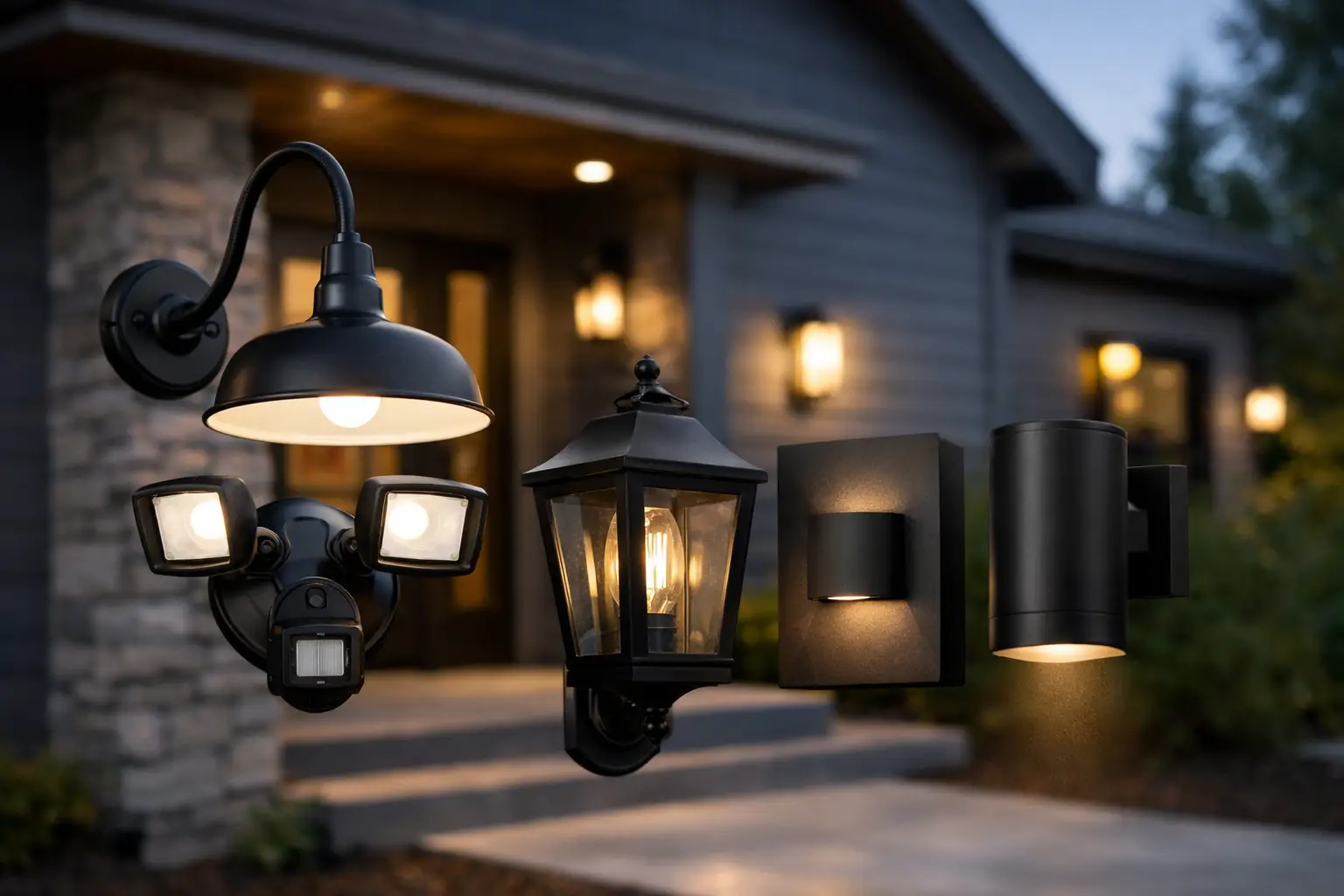
Exterior lighting matters more than many teams expect. A dated coach light beside the front door or weak garage lighting can undercut curb appeal before the buyer even enters. Matching exterior sconces with a clean finish and good lumen output make the home feel safer, newer, and more cared for.
Color temperature is where many projects go sideways
If there is one technical choice that affects resale more than people expect, it is bulb color temperature. For most homes, 2700K to 3000K is the sweet spot. It feels warm enough to be inviting but clean enough to support white walls, stone counters, and modern finishes.
Go cooler than that and the home can read sterile, especially in living rooms and bedrooms. Go too warm and fresh white paint may start looking muddy or yellow. In flips, consistency matters just as much as the exact number. A kitchen at 3000K and a nearby dining area at 5000K will feel off even if the buyer cannot explain why.
High CRI also matters, particularly in kitchens, baths, and anywhere you want materials to look expensive. Better color rendering makes wood tones richer, paint more accurate, and skin tones healthier during showings. That is not a luxury spec. It is a practical one.
Room-by-room priorities for faster sales
The entry should feel bright and confident. One good pendant or semi-flush fixture can set the tone immediately, especially if it is visible from the front door and the first listing photo sequence. Avoid anything oversized for the scale.
In the kitchen, combine recessed cans with decorative pendants if the layout supports it. Pendant spacing and scale should align with the island, not fight it. If budget is tight, prioritize better bulbs, under-cabinet lighting, and one strong focal fixture over adding more decorative pieces than the room needs.
Living rooms benefit from layered light more than flashy light. Recessed cans, a central fixture if appropriate, and table-lamp staging for showings usually outperform one dramatic chandelier in a standard-height room. The goal is comfortable brightness with depth.
Bathrooms are often undervalued in lighting plans. Side-mounted sconces around the mirror can look high-end, but a clean vanity bar works well for many resale projects and is easier to source in volume. What matters most is even face lighting and a fixture finish that aligns with plumbing hardware.
Bedrooms do not need design theatrics. They need simple, updated overhead lighting that feels consistent with the rest of the home. In investor projects, this is where budget discipline should hold.
For dining areas, a centered chandelier or pendant can create a memorable photo and help define an open plan. Just keep the fixture proportional. Overscaled fixtures can make buyers question ceiling height or room dimensions.
What to avoid if speed matters
The wrong lighting can slow a sale even when the home is otherwise well executed. Overly specific designer fixtures can narrow appeal. Trend-chasing shapes that look striking in a showroom may feel risky in a mass-market listing.
Avoid mixing too many finishes within the same sightline. Some contrast is fine, but random combinations read as leftover inventory, not design intent. Also avoid fixtures that hang too low, expose glare, or create heavy shadows. Buyers experience those as discomfort, not style.
Smart lighting can be a plus, but only if it is intuitive. If setup feels complicated or the home relies on apps for basic function, you may be adding friction. For resale, reliability beats novelty.
Budget-smart specs that still look premium
Not every project needs a full rewire or a custom lighting package. In many flips, the smartest move is to update the visible fixtures, standardize bulb temperature, add dimmers in key living spaces, and improve task lighting where buyers expect it.
This is where sourcing discipline matters. Choose collections that offer pendants, flush mounts, sconces, and vanity lights in coordinated finishes. That keeps the house visually consistent and simplifies procurement. It also reduces install surprises because mounting systems and proportions tend to be more predictable across a single line.
For builders and investors working multiple properties, a repeatable lighting spec can save real time. One adaptable package for modern farmhouse, transitional, and light contemporary homes is often more profitable than reinventing every room. Designers can still layer in a hero fixture where the listing needs distinction.
Staging and photography matter just as much as the fixture
A strong fixture cannot do its job if the house is photographed poorly. Before photos or showings, turn on every bulb, match all color temperatures, open window treatments, and check for glare spots or dead bulbs. It sounds basic because it is. It also gets missed constantly.
Use lamps in living rooms, bedrooms, and offices to soften the space and create depth. Even if those lamps are not part of the sale, they help buyers read the room’s function. For showings at dusk, exterior lights and warm interior glow can add serious advantage online.
This is one reason lighting has outsized ROI. It helps twice – first in the listing, then again in person.
The best answer to what lighting helps homes sell faster
The best lighting for resale is not the most expensive package. It is the package that feels intentional, current, and easy to live with. Buyers want bright kitchens, flattering bathrooms, welcoming living spaces, and an exterior that feels secure. Give them that, and the rest of your finishes work harder.
If a project is on a tight timeline, spec lighting the same way you spec flooring or countertops: by market fit, install efficiency, and visual impact per dollar. That approach tends to move homes faster than chasing statement pieces. For your next flip or spec build, start with the rooms buyers judge first and let the lighting do what good design always should – remove hesitation.


Leave a Reply